The year 2025 marks a new turning point for the crypto business. With the emergence of a “crypto-friendly president” in the U.S., the government is expected to actively embrace blockchain and cryptocurrency industries under a clearer regulatory framework. As a result, utility tokens are positioned to be the most promising business model.
1. The U.S. is Becoming the Global Crypto Hub
-Crypto-Friendly Administration
- In 2025, the U.S. government is likely to introduce pro-crypto policies, fostering innovation and adoption.
- Former President Donald Trump has already signaled his support for crypto by launching the “Official Trump Meme Token.”
- Several U.S. states and policymakers recognize blockchain technology as a key economic growth driver and are expected to create regulatory frameworks that support crypto-based businesses.
📜 Regulatory Clarity → Integration into the Mainstream Economy
- Until 2024, crypto businesses faced regulatory uncertainty due to unclear guidelines from the SEC and CFTC.
- However, by 2025, we anticipate clear distinctions between utility tokens and security tokens, allowing businesses to operate with more legal certainty.
- Utility tokens, which are functional digital assets used within a specific ecosystem, are expected to thrive under this new regulatory framework.
🔹 2. Key Trends & Opportunities in the Crypto Market
🌎 Accelerated Global Adoption of Blockchain & Crypto
- Major corporations are expanding their Web3 and blockchain-based business models at a rapid pace.
- Big Tech companies like Meta, Google, Amazon, and Apple are expected to integrate crypto payments and blockchain solutions into their platforms.
🏦 Traditional Finance & Crypto Convergence
- The intersection between traditional finance (TradFi) and decentralized finance (DeFi) is growing stronger.
- Financial giants like Visa, Mastercard, PayPal, and Stripe have already started supporting crypto transactions.
- By 2025, utility tokens will play a significant role in crypto payment networks, NFT transactions, and decentralized applications.
🎮 Rise of GameFi, NFTs, and the Web3 Creator Economy
- GameFi (blockchain gaming) and NFT ecosystems are experiencing a resurgence.
- The integration of AI, NFTs, and Web3 social platforms is creating new ways for digital asset monetization.
- In 2025, utility tokens will become the backbone of Web3 entertainment, gaming, and digital content economies.
🔹 3. Why Utility Token Business?
✅ Avoiding SEC Regulations & Compliance Risks
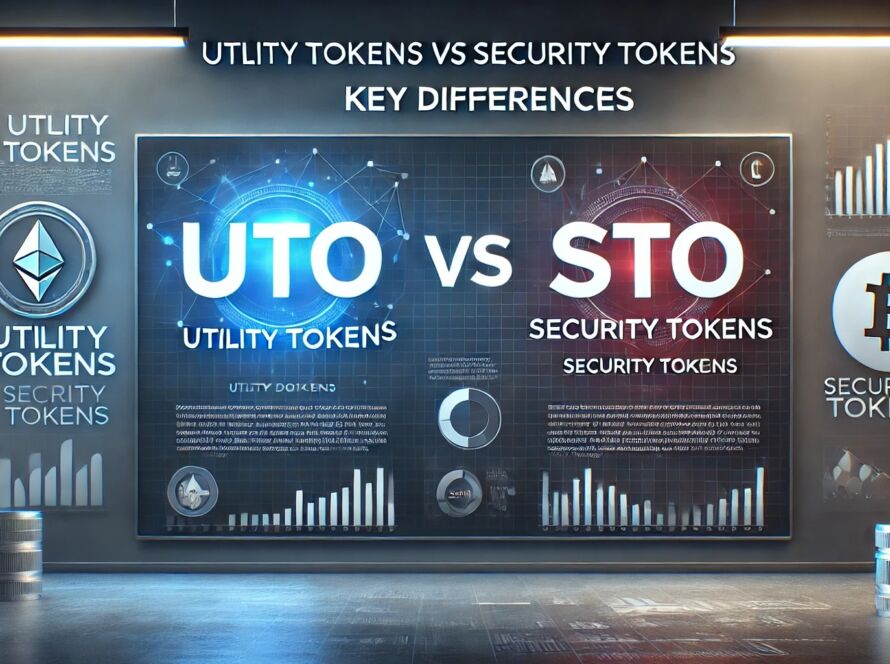
- In 2025, regulations on security tokens (Security Token Offerings, or STOs) will likely become stricter.
- However, utility tokens, which serve a functional purpose within an ecosystem, are exempt from securities regulations in most cases.
- Projects like DogeJindo, which focus on NFT payments, AI-driven meme creation, and Web3 community engagement, can operate with greater legal certainty.
✅ Decentralized Web3 Business Model
- The digital economy is shifting from centralized platforms (Facebook, YouTube, Google) to Web3-powered decentralized systems.
- Utility tokens are crucial for DAOs (Decentralized Autonomous Organizations), NFT marketplaces, creator rewards, and decentralized content monetization.
✅ AI + Crypto = The Future of Digital Commerce
- The rapid advancement of AI is reshaping how digital assets are created, traded, and monetized.
- By 2025, AI-powered content generation, NFT automation, and decentralized governance will create new crypto business models.
- AI + Crypto + Web3 will drive a new era of decentralized digital ownership and financial autonomy.
🔹 4. How to Succeed in the Utility Token Business?
🏆 1) Build a Strong NFT, GameFi, and AI-Driven Utility Ecosystem
- A successful utility token must have real-world use cases, such as NFT transactions, gaming rewards, or Web3 community incentives.
- Example: DogeJindo Token can be used for purchasing NFTs, AI-generated memes, and Web3 social engagement.
🌍 2) Develop a Global Crypto Payment Network
- Connecting utility tokens with NFT marketplaces, Web3 shopping platforms, and decentralized services will be essential.
- Example: Expanding DogeJindo NFT ecosystem and integrating it into decentralized exchanges (DEXs) and Web3 commerce.
🔥 3) Utilize DAO Governance & Community Engagement
- Instead of purely being a payment token, a utility token should function as a key part of a decentralized ecosystem.
- DAO-powered project funding, creator incentives, and staking mechanisms will increase engagement and long-term sustainability.
📢 4) Ensure Regulatory Compliance & Minimize Legal Risks
- Clearly define the utility of the token and avoid investment-based marketing strategies.
- Follow U.S. and global regulatory guidelines to ensure legal compliance.
- DAO structures and decentralized platforms can help mitigate regulatory risks.
Conclusion: 2025, The Year of Utility Tokens
🔥 The crypto business landscape is changing in 2025.
🔥 The U.S. is embracing crypto-friendly policies, and digital assets are becoming mainstream.
🔥 Web3, AI, and NFT-driven ecosystems will shape the next wave of crypto innovation.
🔥 Utility tokens will be at the center of this transformation, offering sustainable and compliant business models.
🔥 Avoid regulatory risks by ensuring clear utility and real-world applications.
👉 In 2025, the utility token business is not just a crypto project—it’s the foundation for the future of Web3, AI, and decentralized digital economies.